
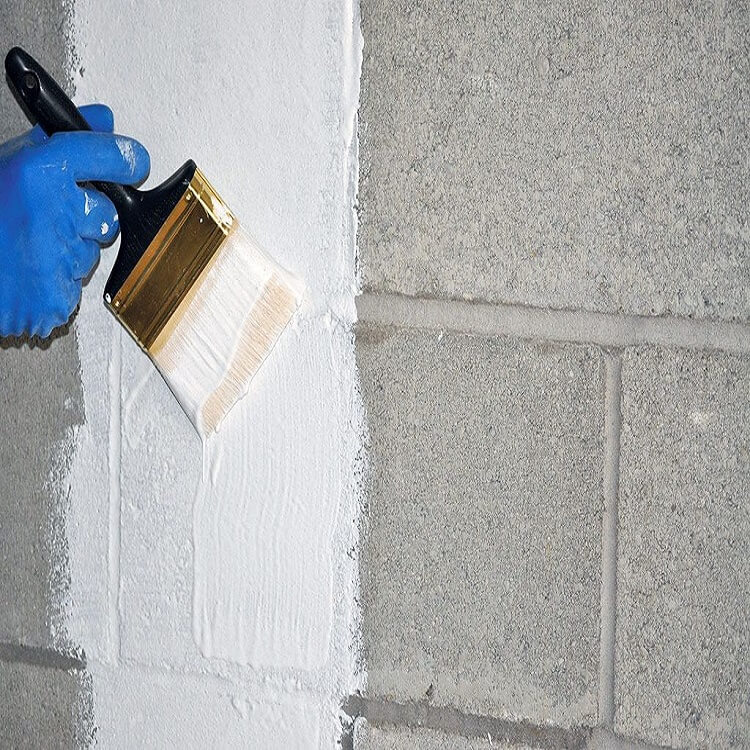
Harmful environmental conditions pose a significant challenge for various building surfaces and facades, impacting their durability. To counter this, using nano-coatings in building materials offers a simple and cost-effective solution to protect surfaces against damage caused by moisture penetration, environmental pollutants like water and rain, and weathering phenomena. The Nano Acrylic Coating (ANC™ code) is a water-based, nano-technology waterproofing formula to safeguard building facades from adverse environmental conditions and create a water-repellent barrier.
“Protecting exterior building walls against driven rain and environmental pollutants requires high-performance surface treatments. Applying an advanced nano acrylic waterproof coating like ANC™ seals microscopic pores while retaining natural substrate breathability…”
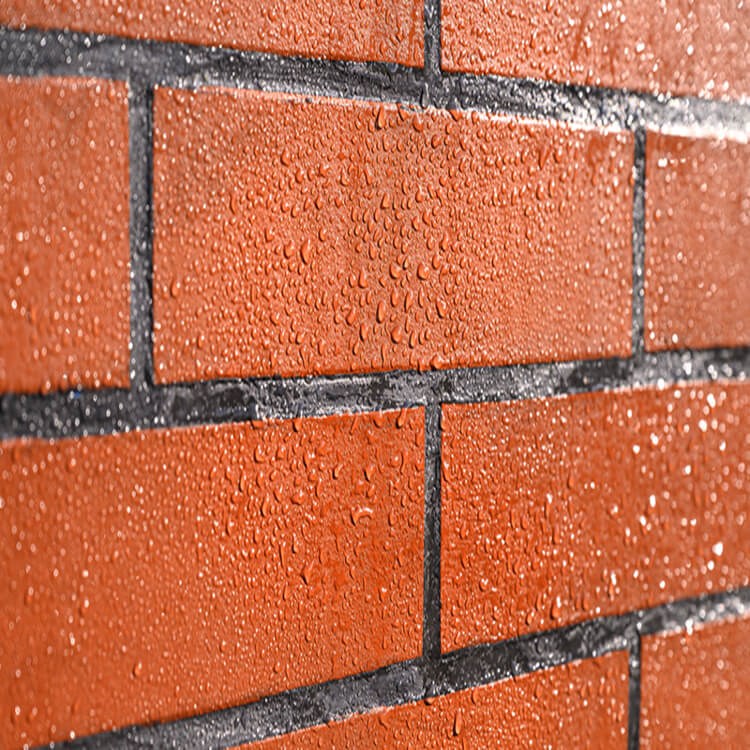
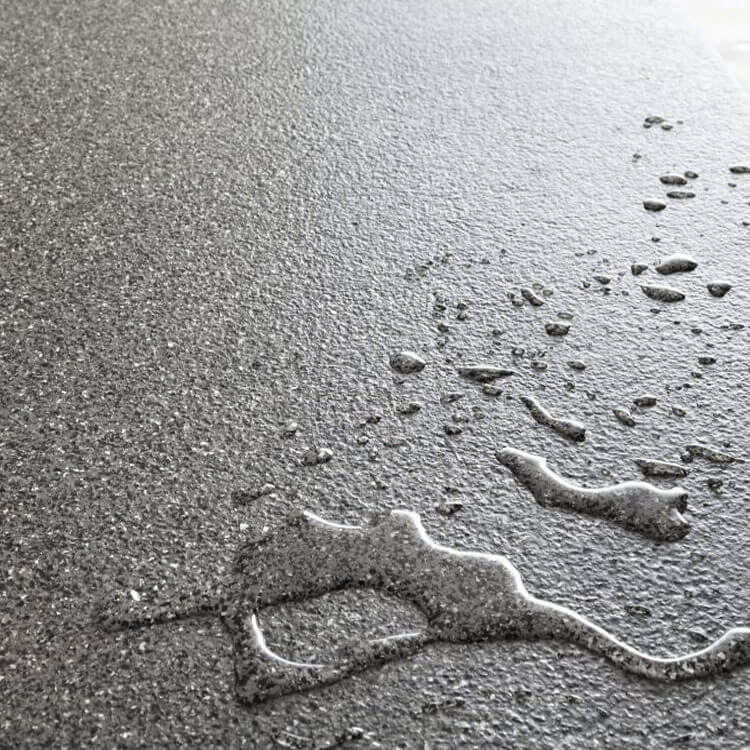
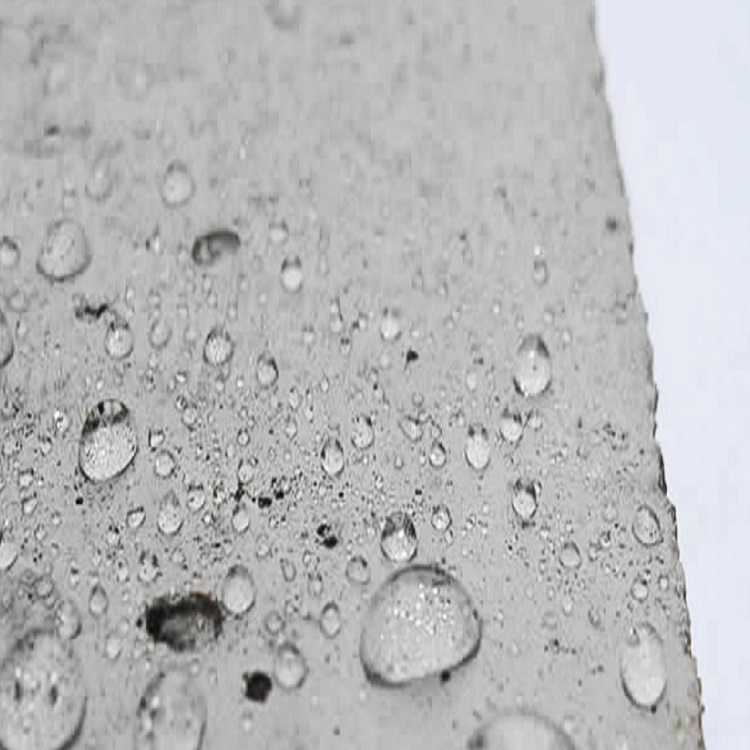
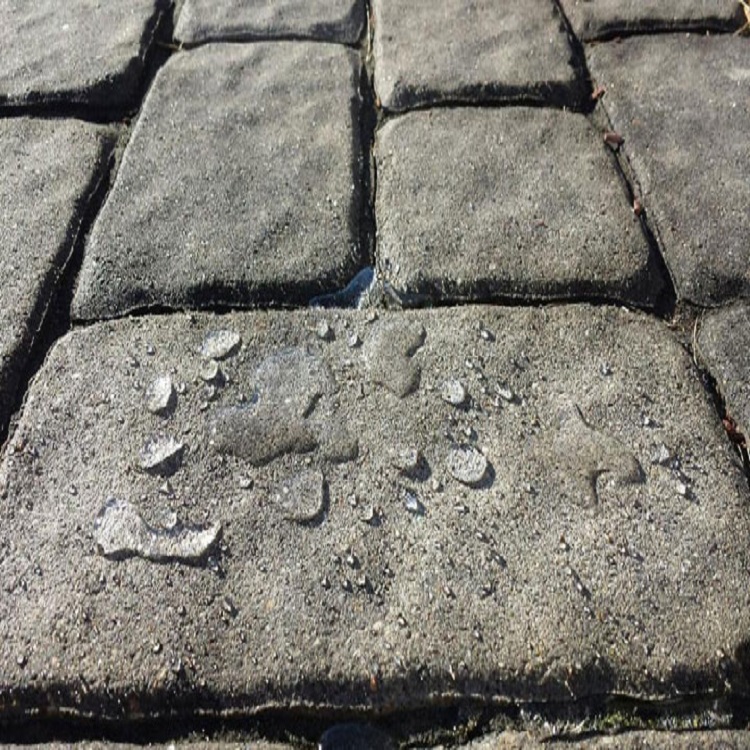
When applied to concrete, stone, and other surfaces, the ANC™ code forms a membrane consisting of millions of microscopic hydrophobic nanoparticles. This membrane effectively prevents the entry of water, dust, and other substances into the substrate, safeguarding the surface from damage caused by water or moisture penetration, such as corrosion, scaling, weathering, freezing, mold growth, and fungus growth.
The Importance of Building Sealing
Proper building sealing is crucial to prevent moisture and dampness issues within the structure. Inadequate sealing not only affects the aesthetic appearance of the environment but also creates an unsuitable living environment. Excessive humidity in walls without proper waterproofing leads to the dissolution of salts in construction materials, resulting in white or flaky surface deposits. These areas become good breeding grounds for bacteria, causing unpleasant odors and potential health risks for residents. Structural components can also deteriorate, including metal corrosion, plaster, lime coatings softening and peeling, and wooden panels swelling and deforming. Implementing effective insulation can significantly reduce the costs associated with repairing and rebuilding damage caused by moisture. Utilizing nano waterproof insulation, such as the Nano Acrylic Coating (ANC™ code), provides an ideal solution to achieve this goal.
Features and Properties of Nano Waterproofing
The ANC™ code is formulated using acrylic copolymers and nano-technology, increasing the lifespan of this nano-coating. Noteworthy features of nano waterproofing include its high penetration power, surface flowability, quick drying or setting time, resistance to harmful environmental conditions, water-based formulation, water repellency, ease of application, and more. This type of waterproofing can be utilized on various surfaces like stone, concrete, etc., and finds wide applications for sealing facades, roofs, floors, kitchens, bathrooms, and other areas. Comparatively, nano sealants like the Nano Acrylic Coating (ANC™ code) offer cost-effective alternatives to traditional materials like bitumen or bituminous waterproofing. Consequently, it is recommended to replace traditional insulation or waterproofing materials with nano-coatings or nano-moisture insulation.
Improved Properties of Waterproof Insulation with Nano-technology
Using nano-technology to produce nano-seals or nano-moisture insulation for building facades, such as the Nano Acrylic Coating (ANC™ code), results in the particles’ nanometer size accurately covering 100% of porous materials below. By penetrating the surface and undergoing drying and final setting, the nano-coating strengthens the surface and protects it against damage caused by freezing and thawing, mold, and organic or inorganic stains. Nano waterproofing products stand out from other waterproofing options as they modify surface properties rather than acting as a protective coating. Molecular bonding ensures the nano-coatings adhere to the surface without altering their appearance, providing a decade-long defense against stains, slogans, weather, and abrasion.
Advantages of Using Acrylic Nano Coating (ANC™ code) Compared to Other Sealing Materials
The use of ANC™ Nano Seal eliminates the need for painting and covering the insulation structure, as it is transparent and reveals the underlying surface. Anyone can apply this seal, eliminating the requirement for specialized expertise and significantly reducing costs. Another notable advantage of Nano ANC waterproof insulation compared to other methods is its compatibility with various surface materials such as stone, wood, metal, cement, and more. Nano insulation deeply penetrates building materials, even in rainy areas, ensuring complete resistance to water penetration.
Unlike bituminous waterproofing, applying Acrylic Nano Coating (ANC™ code) does not involve ignition or heating, simplifying the process and making it easily applicable. The ANC™ Nano waterproofing exhibits high adhesive strength and flexibility, providing long-lasting protection. By creating a waterproof surface, nano insulation prevents moisture from seeping into the structure, making it impermeable.
Furthermore, surfaces treated with ANC™ nano-coating are inhospitable to algae, moss, bacteria, mold, and fungus growth. The coating also acts as a dust barrier, minimizing pollution penetration to zero. Additionally, ANC™ nano-coating demonstrates resistance to sunlight, extreme temperatures, and weather fluctuations, ensuring durability and long-term performance. The manufacturing process of Nano ANC™ waterproofing adheres to strict environmental standards, making it an environmentally friendly choice. Moreover, using this nano acrylic coating (ANC™ code) proves to be cost-effective.
Price of Nano Materials for Building Facades
The price of nano facade materials, including Nano Acrylic Coating (ANC™ code), may vary due to market fluctuations. As a result, it is not possible to provide a single fixed price for nano coatings. For accurate pricing information, we recommend contacting our sales experts at Afzir Retrofitting Company, who can provide guidance and address specific inquiries about the cost of nano coatings.
Method of Using Nano Waterproofing
One of the notable advantages of nano waterproofing is its straightforward application compared to other waterproofing materials. The method of using Acrylic Nano Coating (ANC™ code) is simple:
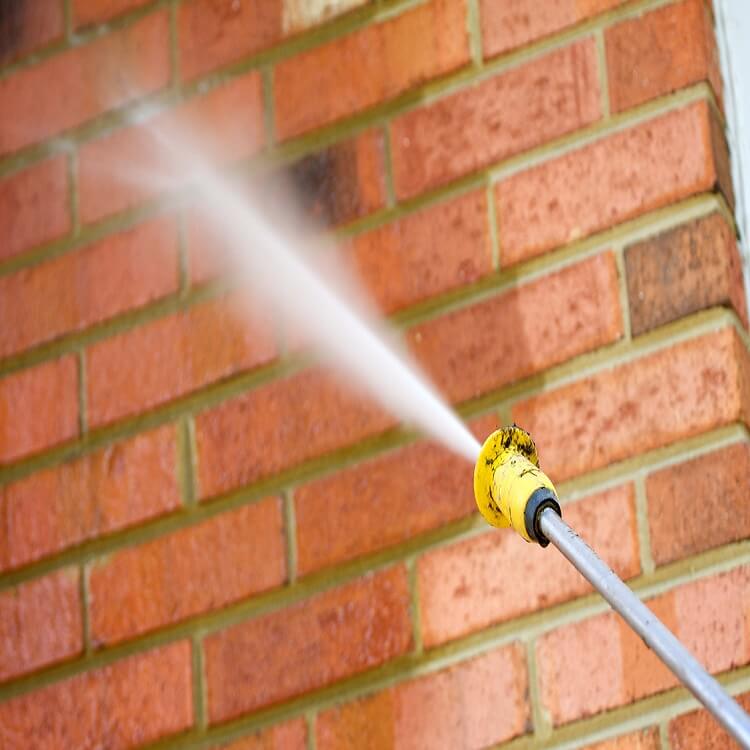
- Start by thoroughly cleaning the surface of dust, grease, and other pollutants.
- Smooth out any unevenness using sandpaper or suitable tools. If the desired surface is metal, it should be deducted beforehand.
- Ensure that the surface is completely dry and free from moisture.
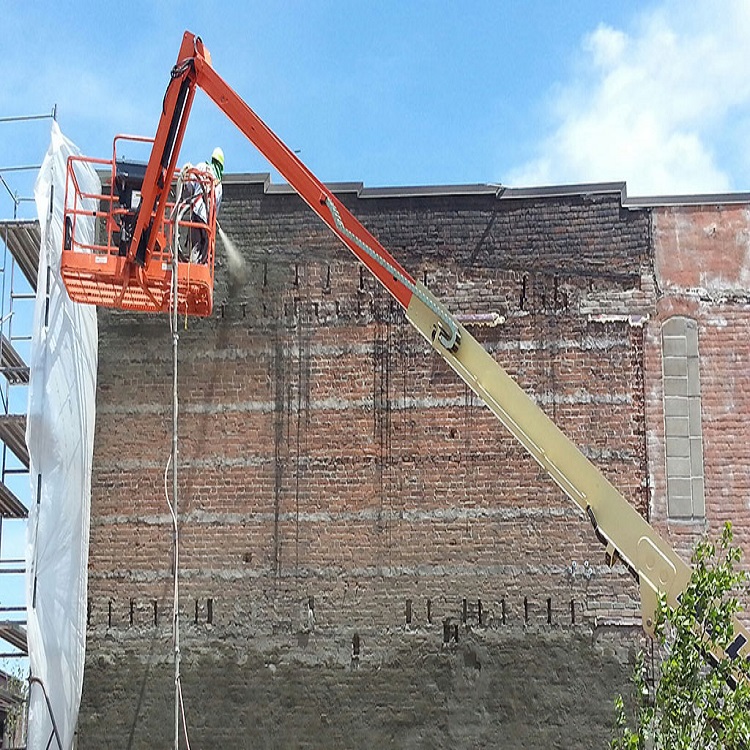
- Apply the nano-coating using a brush or spray, following the instructions.
- Allow the nano-coating sufficient time to dry thoroughly.
Consumption of Acrylic Nano Coating (ANC™ code)
The consumption of the nano-face coating depends on the type of surface being waterproofed. Each liter of nano waterproofing covers approximately 2 to 3.5 square meters. However, it is essential to consider the specific conditions of the surface, as some surfaces may require a higher amount of nano moisture insulation.
The coverage per liter of Acrylic Nano Coating (ANC™ code) in relation to different surface materials is as follows:
- Concrete or cement surface: 2 square meters
- Brick surface: 2.5 square meters
- Chalk or limestone surface: 2.5 square meters
- Stone surface: 3 square meters
Please note that these figures may vary depending on the characteristics of the surface, and it is advisable to assess the specific requirements before proceeding with the application.
For further assistance and to determine the exact amount of nano-coating required for your project, we recommend consulting our experts at Afzir Retrofitting Company. They can provide personalized guidance based on your specific needs.
In conclusion, the Acrylic Nano Coating (ANC™ code) offers an advanced solution for protecting building facades against environmental damage. Its nano-technology formulation provides exceptional water repellency and long-lasting durability. By utilizing this nano waterproofing technology, you can effectively enhance the lifespan of surfaces, reduce maintenance costs, and ensure a protected and aesthetically pleasing environment for your building.


Reviews
There are no reviews yet.